If you want a Miami-area lifestyle where you can step out for coffee, dinner, errands, and an evening stroll without automatically getting in the car, Coral Gables deserves a closer look. The key is knowing where that walkable experience really happens, because it is strongest in specific parts of the city, not everywhere. This guide will help you understand where walkable living fits best in Coral Gables, what daily life can look like, and which local features add value beyond the main shopping streets. Let’s dive in.
Where walkable living works best
Coral Gables is known for beautiful streets, historic character, and a polished city feel, but its walkability is not evenly spread across the full area. According to the city, the downtown business core has a Walk Score of 98, while Walk Score reports a citywide average of 56. That tells you the most practical car-light lifestyle is concentrated in the downtown core.
If your goal is to walk to restaurants, cafés, shops, and workday stops, Downtown Coral Gables is the area to pay the most attention to. In particular, Miracle Mile and Giralda Plaza are where pedestrian-friendly design, dining options, and transit connections come together most clearly. Outside that core, the city includes more residential areas where daily errands may require more driving.
Why Downtown Coral Gables stands out
Downtown Coral Gables offers a walkable setting that feels both active and visually distinct. The city was planned with a City Beautiful and Garden City vision, and that still shows up in the tree-lined streets, civic landmarks, and carefully shaped public spaces. Coral Gables also says more than 1,000 properties are on the Coral Gables Register of Historic Places, which adds a strong sense of place to everyday life.
This is not just about convenience. It is also about atmosphere. When you walk through the downtown core, you are moving through a streetscape defined by Mediterranean-inspired architecture, wide sidewalks, and mature greenery that make simple routines feel more enjoyable.
Miracle Mile as the daily hub
Miracle Mile is often the center of a walkable Coral Gables routine. The city describes it as the city’s main street and a destination for dining, shopping, and entertainment. Its shopping materials also note that the area has more than 120 international restaurants.
For you, that means one street can support many parts of daily life. A quick coffee, lunch meeting, casual dinner, boutique shopping, or a post-work stroll can all happen in the same area. That kind of concentration is what makes walkable living feel practical instead of aspirational.
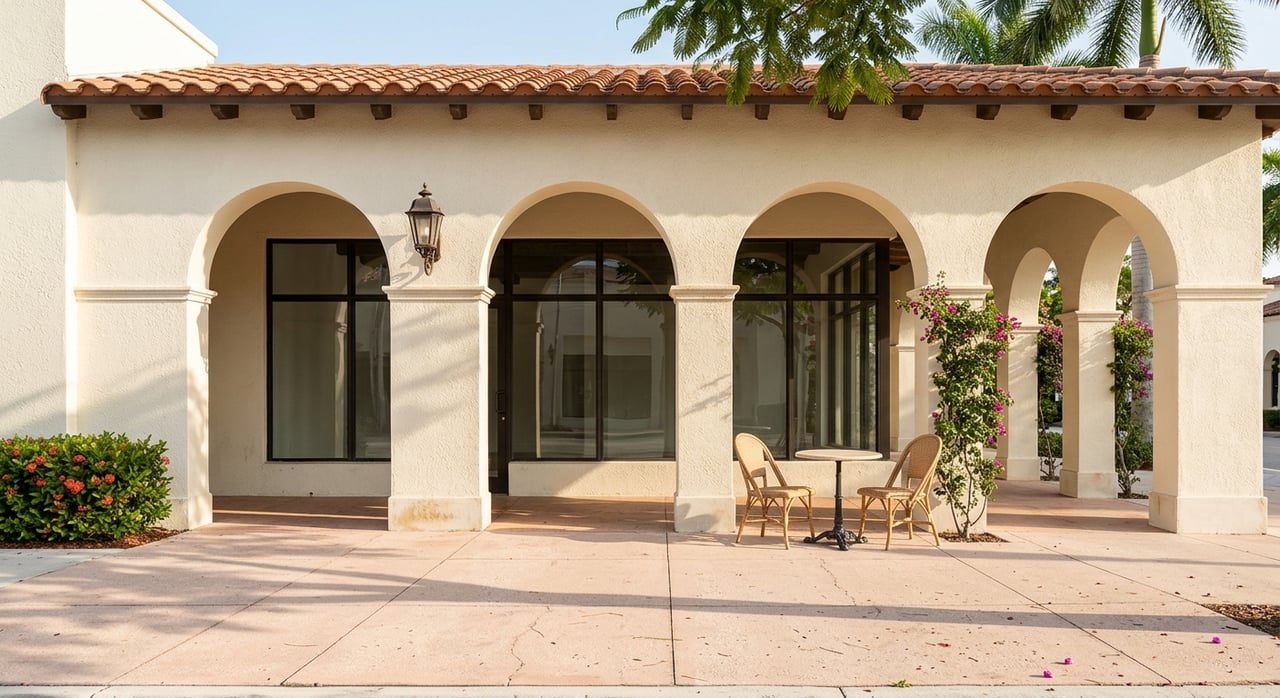
Miracle Mile also benefits from design that supports pedestrian activity. The area features Mediterranean-style facades, wide sidewalks, tree-lined streets, and outdoor cafés. Those details matter because they make walking feel comfortable and social, not just functional.
Giralda Plaza adds a pedestrian dining scene
If Miracle Mile is the main corridor, Giralda Plaza adds another layer to the experience. The city describes it as a pedestrian walkway lined with restaurants, bars, and coffee shops, with both indoor and outdoor seating. That creates an easy transition from daytime errands to evening plans.
For buyers who want a lively but polished setting, Giralda Plaza helps define the local lifestyle. You can picture a routine that includes meeting friends for dinner, grabbing coffee on a weekend morning, or spending time outdoors without planning a full outing. It supports the kind of spontaneous neighborhood use that many people want in a walkable area.
What everyday routines can look like
A walkable neighborhood matters most when it works for ordinary life. In Downtown Coral Gables, that can mean:
- Walking out for coffee or breakfast
- Meeting friends or clients for lunch
- Running small errands near restaurants and shops
- Heading to dinner without a long drive
- Taking an evening walk through active public spaces
Coral Gables is also a major employment center, with almost as many people working in the city as living there. That helps keep downtown streets active throughout the day, not only during peak dining hours. The city also emphasizes that many restaurants and shops sit within walking distance of office uses, which supports lunch-hour and after-work routines.
The city’s 2021 National Community Survey gives more context for how people use these areas. It found that 94% of residents reported dining at a Coral Gables restaurant, 89% reported visiting Miracle Mile, and 63% reported visiting Giralda Plaza. The same survey found that 97% felt safe in the downtown and commercial area during the day.
Getting around without driving everywhere
Walkability is even more useful when it connects with local transit. Coral Gables offers free trolley service Monday through Saturday from 6:30 a.m. to 10 p.m., and the city says it averages more than 1 million passengers per year. That gives residents and visitors another option for moving around the area without relying entirely on a car.
The Saturday Downtown Express is especially helpful for linking South Gables and the University of Miami to Miracle Mile and Giralda Plaza. For someone considering a more car-light routine, that connection adds convenience and flexibility. It can make dining, shopping, and meeting up downtown easier, even if you are starting from outside the immediate core.
Historic design shapes the experience
One reason Coral Gables feels different from many other walkable districts is its architecture. The city’s zoning code defines Coral Gables Mediterranean Architecture as a style that reflects founder George Merrick’s vision, and the Med Bonus program was created to reinforce that look in new development. In practical terms, that means the city has worked to preserve a recognizable visual identity.
In the historic core, the city points to Merrick House, Coral Gables Elementary, Douglas Entrance, and the Coral Gables Museum as examples of early coral-rock and Mediterranean Revival design. The Historic District is also the only historic district in the city listed in the National Register of Historic Places. For you, this means the walkable experience is not just convenient. It is layered with visual character and local history.
Walkable living goes beyond shops and restaurants
A strong lifestyle is about more than dining and retail. Coral Gables offers over 60 parks and open spaces, and the city says it has been named Tree City USA for 32 consecutive years. That broad park network helps balance the urban feel of downtown with outdoor access across the city.
If green space matters to your routine, this is an important part of the picture. You may be able to pair walkable downtown living with easy access to parks, shaded streets, and outdoor recreation. That combination often appeals to buyers who want both convenience and breathing room.
Signature parks and outdoor destinations
Venetian Pool is one of Coral Gables’ best-known public amenities and has been part of the city since 1924. It adds a distinctive recreational option that feels tied to the city’s identity. For many people, features like this help turn a neighborhood from merely practical into memorable.
For a larger outing, Matheson Hammock Park offers a different kind of lifestyle value. Miami-Dade County describes it as the county’s first park, and it includes a marina, atoll pool, nature trails, and on-site dining. While it is more of a destination than a daily errand stop, it expands what living in Coral Gables can feel like on weekends.
Arts and culture round out the lifestyle
Coral Gables also offers cultural amenities that support a more layered, day-to-night routine. The city describes a cultural corridor on Aragon Avenue with a museum and art cinema across from Books & Books, along with four live theaters, many galleries, and a public-art program. These amenities help the area feel like more than a shopping district.
For you, that can mean more variety close to home. Instead of driving elsewhere for a cultural outing, you may find options nearby for an afternoon museum visit, an evening film, or live performance plans. That kind of mix often makes walkable living more sustainable over time.
Is Coral Gables fully walkable?
The honest answer is that Coral Gables offers selectively walkable living, not uniformly walkable living. If you choose a home near Downtown Coral Gables, especially around Miracle Mile and Giralda Plaza, a mostly car-light routine is much more realistic. If you live farther from the core, your day-to-day pattern may still involve more driving.
That distinction matters when you begin your home search. A Coral Gables address alone does not guarantee the same experience everywhere. The lifestyle can vary a lot depending on how close you are to the downtown core, transit options, restaurants, and public spaces.
What to consider when choosing a home
If walkability is high on your list, focus on how you want to live each day, not just on the city name. Think about whether you want to walk to dining, enjoy a pedestrian-oriented atmosphere, or use trolley service as part of your routine. Those details can shape which part of Coral Gables feels like the right fit.
Here are a few helpful questions to ask as you compare homes:
- How close is the property to Miracle Mile or Giralda Plaza?
- Can you comfortably reach cafés, dining, or errands on foot?
- Would free trolley access improve your routine?
- Do you want nearby parks and cultural venues as part of daily life?
- Are you looking for a true car-light setup or just occasional walkability?
When you match the property location to your real habits, you are more likely to end up with a home that supports the lifestyle you actually want.
If you are exploring Coral Gables for a primary home, second home, or investment purchase, local guidance can help you narrow in on the blocks and building types that best support your goals. To talk through your options with a team that understands Miami lifestyle priorities and offers responsive, bilingual service, connect with Capdevila Realty.
FAQs
Where is walkable living strongest in Coral Gables?
- Walkable living is strongest in Downtown Coral Gables, especially around Miracle Mile and Giralda Plaza, where dining, shopping, pedestrian streets, and transit connections are most concentrated.
Is all of Coral Gables easy to navigate on foot?
- No. The downtown business core is much more walkable than the city as a whole, which is why the city’s core Walk Score is much higher than the citywide average.
What makes Miracle Mile important for Coral Gables lifestyle?
- Miracle Mile serves as the city’s main street and a central hub for dining, shopping, and entertainment, making it one of the most practical areas for daily walkable routines.
What is Giralda Plaza like in Coral Gables?
- Giralda Plaza is a pedestrian walkway with restaurants, bars, coffee shops, and indoor and outdoor seating, giving Downtown Coral Gables an active social and dining scene.
Does Coral Gables have public transit that supports walkability?
- Yes. Coral Gables offers free trolley service Monday through Saturday, and the Saturday Downtown Express connects South Gables and the University of Miami to Miracle Mile and Giralda Plaza.
What outdoor amenities support Coral Gables lifestyle?
- Coral Gables offers over 60 parks and open spaces, plus signature destinations like Venetian Pool and nearby Matheson Hammock Park for recreation and weekend outings.
Does Coral Gables offer more than shopping and dining?
- Yes. The city also includes parks, public art, galleries, theaters, a museum, and an art cinema, which add more variety to everyday life.
How should you search for a walkable home in Coral Gables?
- Focus on location within Coral Gables, especially proximity to Downtown, Miracle Mile, Giralda Plaza, parks, and trolley access, since walkability can vary significantly across the city.