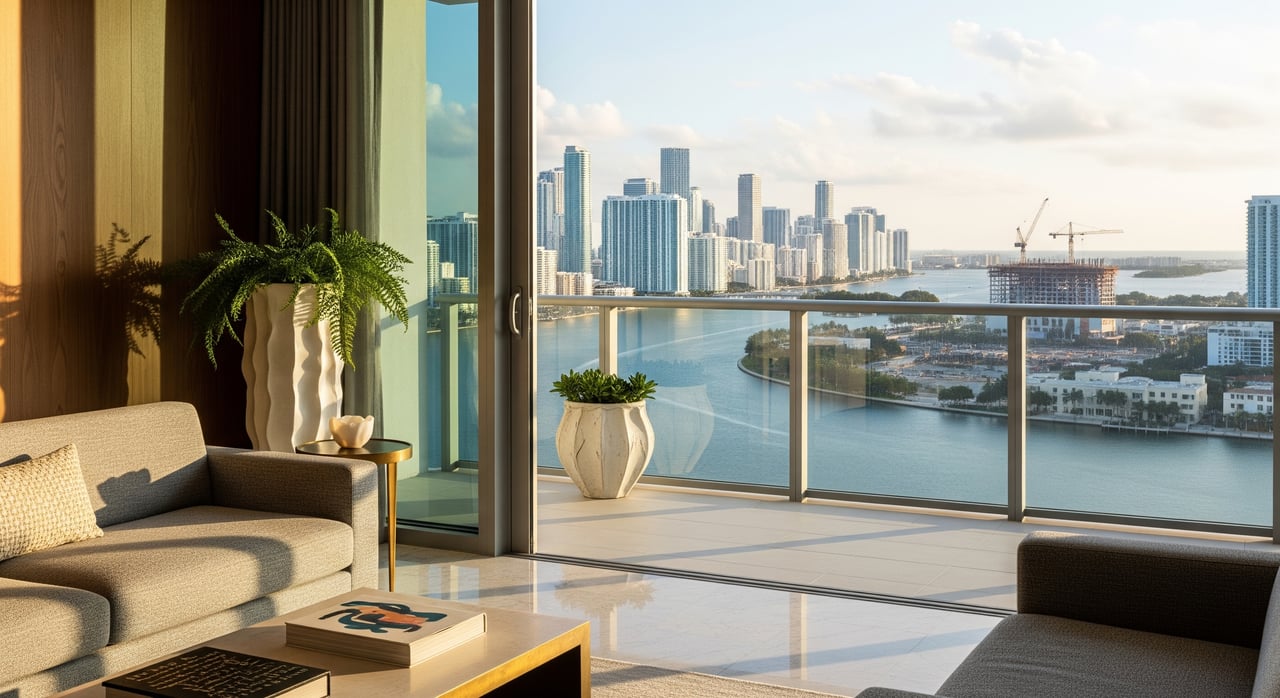
Cranes on the skyline are exciting, but if you own or want to buy in Brickell, you probably wonder what all that building means for condo resale prices. You are not alone. With thousands of new units planned, it can be hard to tell where values are headed and how to time your move. In this guide, you will learn how pre-construction changes pricing, what to watch by price tier, and practical steps to protect your bottom line. Let’s dive in.
Brickell market snapshot
Miami-Dade’s condo market has shown steady long-run price gains even as sales volumes softened at times in 2024 and 2025. Local releases note existing condo prices have generally appreciated over the past decade, while monthly sales have varied by segment and seasonality. MIAMI REALTORS® highlights these trends.
At the neighborhood level, public trackers show Brickell median sale or list prices in the mid-600,000 to 750,000 range in 2025, with variations by pocket such as Brickell Key and South Brickell. Some areas have seen longer days on market. You can see current snapshots in this Brickell market report.
The pre-construction wave in Brickell
A mid-2025 Brickell report tallies roughly 4,400 to 4,700 new condo units in the pipeline for Brickell alone. Against an estimated base of about 26,500 existing units, that implies a meaningful supply boost of roughly 17 percent if delivered. Review the summarized pipeline here.
Why timing matters
Many planned Brickell towers are slated to deliver within a 2025 to 2029 window. When several buildings complete near the same time, buyers get more choices at once, which can push longer marketing times and sharper pricing for comparable resales. The same midyear report flags this clustering effect.
Mind the data gap
Developer pre-construction sales often happen off-MLS, so standard resale stats can miss a big piece of supply. Local groups have created new-construction reporting to close that gap and improve visibility for buyers and sellers. MIAMI REALTORS® explains this reporting need.
How new towers affect resale prices
Direct competition lowers leverage
When new units and resales share similar size, finishes, and price bands, buyers often favor newer offerings. That extra choice can lead to more negotiation on resales and longer time to sell, especially during concentrated delivery periods. Brickell’s sizable pipeline makes this effect very relevant to many buildings.
Price tiers behave differently
A large share of Brickell’s new supply is branded or luxury product. Luxury has shown resiliency in recent local reporting, while middle and entry tiers can be more sensitive to added competition. The resale impact depends on whether new units overlap your building’s price and product type. This tier split appears in local association commentary.
Buyers substitute for features and warranties
Modern layouts, amenity programs, and developer warranties can tip the scales toward new construction if pricing is close. Branded buildings often market concierge-style services and curated amenities that attract both end-users and investors. See how new-build features are positioned in local pre-construction overviews.
Appraisals and comps can get messy
Large volumes of developer sales, different concession structures, and off-MLS closings may complicate appraisals for both resales and new units. In some markets, blanket appraisal approaches have been reported to help pre-construction deals close, which can influence valuation dynamics and closing risk. Read more about these practices here.
Developer incentives can reset the bar
When absorption slows, developers may use pricing, upgrades, or financing incentives to move inventory. Nationally in 2025, the price premium for new construction over existing homes narrowed to historic lows in some areas, showing how quickly incentives can change the competitive landscape. See the analysis summarized by Realtor.com’s reporting.
Long-term effects cut both ways
High-quality development can upgrade the area’s appeal and support long-run pricing. Still, a short-term oversupply of similar units can weigh on values until absorption catches up. Academic studies show outcomes vary with demand strength and scale of the supply shift. A research overview is available here.
Local rules and costs that shape value
Post-Surfside inspections and reserves
Florida’s updated condo laws require milestone inspections and stronger reserve funding. Older buildings with new assessments or higher HOA dues can see reduced buyer affordability, while well-capitalized buildings may stand out. See a practitioner guide to the changes here.
Financing constraints
Many older condos have complex financing profiles. Limited program approvals can shrink the buyer pool for certain buildings, while cash buyers often drive portions of the new-build market. Understanding your building’s financing landscape helps set realistic pricing and timelines.
Insurance and carrying costs
Higher insurance costs and the potential for special assessments raise ownership expenses and can pressure demand for some resales. New projects may bundle certain coverages or warranties that change the comparison. Read broader insurance context here.
If you plan to sell in Brickell
- Map your direct competitors. Identify nearby towers delivering in the next 12 to 36 months and compare unit sizes, amenities, and price per square foot. Use the midyear pipeline report for a high-level view of scale and timing.
- Price with absorption in mind. If similar new units are coming, build in time for marketing and consider pricing that acknowledges added choice.
- Lead with strengths. Emphasize immediate occupancy, larger floor plans, reserve health, and any recent structural reports. Clear disclosures reduce buyer friction.
- Prepare for appraisal variability. Align on comps early and be ready to explain differences between developer transactions and MLS resales.
If you plan to buy in Brickell
- Compare total cost of ownership. Look beyond list price to HOA dues, reserve contributions, insurance, and potential assessments for older buildings, as outlined in Florida’s updated condo framework.
- Test-drive incentives. Weigh developer concessions and warranties against the flexibility of well-run resales. The gap between new and resale pricing has narrowed in some markets.
- Plan for appraisal and closing risk. Ask your lender how they will value a unit at final closing, especially if your contract price was set months earlier.
- Match product to your goals. End-users may favor association stability and floor plans. Investors may focus on amenity sets, rental rules, and absorption outlook by tier.
Simple scenarios
- Selling in a building similar to upcoming towers: expect more competition and a longer timeline. Strong marketing and realistic pricing are key.
- Buying for long-term use: consider buildings with solid reserves and completed inspections, even if list prices are higher.
- Investor seeking amenities: branded towers may fit your strategy if the numbers work, but model HOA and insurance carefully.
Let’s map your next step
Whether you are timing a sale or weighing new construction against a resale, you deserve clear, data-backed guidance. Our team provides responsive, bilingual service and premium marketing that helps you move with confidence in Brickell’s fast-moving market. Ready to plan your next step in Miami or across markets? Connect with Capdevila Realty to get a customized strategy.
FAQs
Will new condos make Brickell resale prices fall?
- Not across the board. Downward pressure is strongest where new units directly overlap with resales in size, finishes, and price. Luxury and entry segments can behave differently based on who the new product targets.
How long does it take for prices to stabilize after big deliveries?
- It varies with demand. A single tower can absorb quickly, but when multiple towers deliver together, some tiers may need 1 to 3 years or more for the market to rebalance.
Are appraisals tougher when lots of new buildings close at once?
- They can be. Off-MLS developer sales, concessions, and different appraisal approaches can create gaps at closing. Ask your lender how they will treat new-build comps.
How do new reserve and inspection laws affect older condos?
- Higher reserves and inspections improve transparency but can raise carrying costs in some buildings. Well-funded associations may gain a relative edge with buyers.
How can I see the full supply picture, not just MLS resales?
- Combine MLS data with developer pipeline tracking and local new-construction reports. That fuller view helps you price, time, and negotiate with confidence.