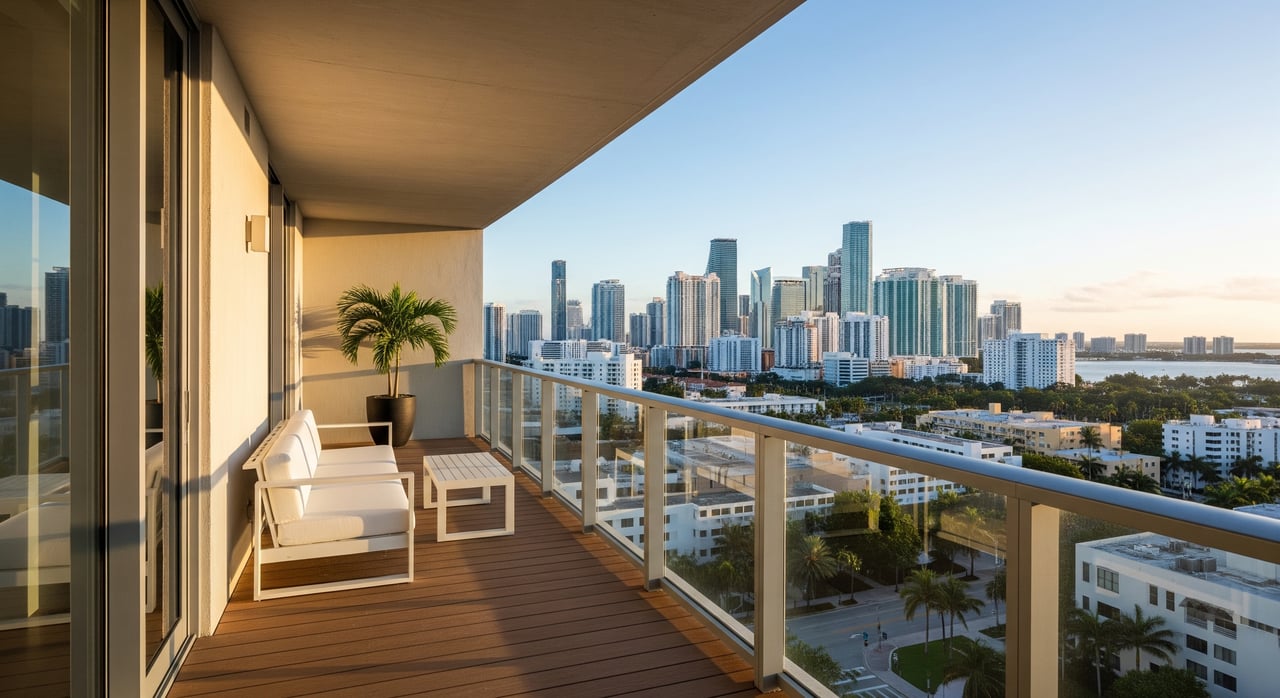
Buying in Brickell can feel like choosing from a wall of gleaming towers that all seem the same. They are not. Each building has its own rules, fees, amenities, and risk profile that will shape your daily life and monthly costs. If you want a condo that fits your lifestyle and budget, you need a simple way to compare buildings side by side.
This guide walks you through the Brickell landscape and shows you exactly what to check, where to find the facts, and how to narrow a long list into a confident shortlist. You will learn the key building factors, a step-by-step screening method, and a practical on-site checklist. Let’s dive in.
Brickell at a glance
Brickell is Miami’s financial core with some of the region’s densest residential living. You will find everything from newer luxury high-rises to older mid-rise buildings. Many towers sit near offices, retail, and dining, and several are a short walk to transit. That mix makes convenience and lifestyle major selling points.
Transit is a real advantage. The neighborhood is served by Metrorail at Brickell Station and the Metromover loop, which can reduce car dependence. You can explore routes and stations on the official pages for Metrorail and Metromover.
Amenities also vary widely. Some buildings keep it simple with a lobby and pool. Others feel more like a hotel with concierge, valet, multiple pools, fitness and spa areas, and co-working spaces. That range directly affects HOA fees and your day-to-day experience.
Climate and resilience matter in South Florida. Flood exposure, hurricane risk, and insurance costs are ongoing realities. Smart buyers compare elevation, flood zones, and association insurance structure before committing.
Key building factors to compare
Building age and maintenance
- What to check: year built, number of units, recent capital projects like roof, façade, elevators, and reserve strength.
- Why it matters: Older buildings can offer lower prices but may face higher near-term repairs or special assessments. Newer towers tend to have modern systems and strong amenities, often at higher purchase prices and HOA fees.
- Where to verify: Use the Miami‑Dade County Property Appraiser to confirm year built and basic building data. Review HOA minutes and reserve studies for maintenance history.
Amenities and operating style
- What to compare: concierge or doorman, valet, pools, gym size and classes, spa, co-working, party rooms, package rooms, storage, guest parking, pet amenities.
- Why it matters: Bigger amenity packages can elevate your lifestyle but often increase monthly fees. Decide if you want hotel-like service or a simpler, lower-cost building.
- Pro tip: Note staffing levels and hours. A 24/7 concierge feels different than daytime-only coverage.
HOA fees, reserves, and assessments
- What to check: current monthly fee, exactly what is included (water, cable, internet, insurance portions, parking), reserve balance, reserve study, and history of special assessments.
- Why it matters: HOA fees vary dramatically and directly affect your carrying costs. Repeated assessments or thin reserves can signal future expenses.
- Where to verify: Ask for the association budget, financials, and reserve study. Florida’s Condominium Act outlines association duties and disclosures; review Chapter 718 on the Florida Statutes.
Parking and storage details
- What to compare: deeded vs. assigned spaces, valet-only setups, tandem parking, guest parking, garage clearance, EV charging and policies.
- Why it matters: Deeded parking boosts convenience and resale value. Valet-only may slow daily routines. EV infrastructure is a growing need.
- Pro tip: Confirm parking details on the unit’s deed or association records, and ask about any EV waitlists or fees.
Pet policies and amenities
- What to check: allowed or not, number of pets, weight limits, breed rules, deposits, and pet-relief areas or wash stations.
- Why it matters: Strict rules can be a deal breaker if you have pets. Pet-friendly buildings may have deposits or additional wear-and-tear considerations.
- Where to verify: Association bylaws and rules. Obtain a current copy from management.
Rental and short-term rules
- What to check: minimum lease term, owner-occupancy requirements, and whether short-term rentals are allowed or prohibited.
- Why it matters: Rules impact financing, holding strategy, and future resale. High investor ratios or short-term activity can limit loan options with some lenders.
- Where to verify: Association documents and any project questionnaires lenders use. Review local regulations through the City of Miami before planning short-term rentals.
Insurance, flood risk, and resilience
- What to check: association master policy type and deductibles, owner HO6 requirements, flood insurance needs, FEMA flood zone, building elevation, and past claims.
- Why it matters: Flood-prone properties may face higher insurance and repair exposure. Buildings with flood-mitigation features, like raised equipment or flood gates, may manage risk better.
- Where to verify: Confirm your parcel’s flood zone through the FEMA Flood Map Service Center. Review insurance declarations with the association.
Location, transit, and noise
- What to compare: walking distance to Metrorail/Metromover and Brickell office core, proximity to retail and dining, orientation for views, and noise at different times.
- Why it matters: Walkability and transit access can reduce car dependence and improve quality of life. Nightlife zones may bring more evening noise.
- Pro tip: Walk the area at weekday rush hour and late evenings, and listen from the balcony with doors open and closed.
Management, governance, and litigation
- What to check: professional management vs. volunteer, board meeting frequency, clarity of rules, and any current lawsuits.
- Why it matters: Strong governance supports building health and loan eligibility. Litigation can affect reserves and some mortgage programs.
- Where to verify: HOA minutes, recorded litigation in county records, and the association’s certificate of status.
Step-by-step: narrow to a shortlist
Use this simple workflow to move from many options to a few serious contenders.
Step 0: Pre-filter by non-negotiables
- Set budget, unit size, and bedroom minimums. Remove buildings without options in your price band.
- Apply must-haves: pet policy fit, deeded parking, EV charging, or a set walk time to Brickell Station.
- Eliminate anything that fails your absolute requirements.
Step 1: Quick public-data screen
- Pull building year built and unit counts from the Miami‑Dade County Property Appraiser.
- Record typical HOA fees for representative units and flag anything above your ceiling.
- Check each parcel’s flood zone on the FEMA Flood Map Service Center and flag higher-risk locations if you prefer lower exposure.
Outcome: Trim 10–30 buildings down to about 6–12.
Step 2: Build a comparison matrix
Create a simple spreadsheet with columns for year built, HOA fee, amenities summary, parking type, pet policy, rental rules, reserves or recent assessments, and minutes to Brickell Station. Add a quick note on noise and orientation if known.
Outcome: Prioritize the 3–6 best fits by lifestyle and financing constraints.
Step 3: Documents and management check
- Request the association budget, last two years of financials, reserve study, 12–24 months of minutes, bylaws, rules, and certificate of status.
- Ask management about pending assessments, capital projects, recent HOA fee changes, and any litigation.
- Confirm parking deeded status, guest parking, EV charging, and exact pet rules.
Outcome: Reduce to a final shortlist of 1–3.
Step 4: Site visits at different times
- Visit on a weekday morning and weekend evening. Note elevator wait times, lobby activity, and neighborhood noise.
- Inspect common areas, gym, pools, hallways, package handling, and garage access.
- If possible, speak with residents about board responsiveness and any recent assessments.
- For financed buyers, share the building names with your lender now to flag project eligibility.
Outcome: Identify your top choice with real-world feel plus lender confidence.
Step 5: Final due diligence before offer
- Review seller-disclosed condo docs and the association estoppel or certificate of status.
- Confirm in writing any capital projects or special assessments.
- Verify master insurance coverage, deductibles, and any owner flood requirements.
- Investors: Confirm rental and short-term rules in writing and review local regulations with the City of Miami.
Outcome: Make a clean offer backed by facts.
On-site visit checklist
Use this quick list during tours:
- Lobby, mail, and package handling setup and cleanliness.
- Elevator wait times during peak hours.
- Gym size, equipment condition, pool cleanliness, and posted hours.
- Hallways, restrooms, and common-area maintenance.
- Parking access, signage, guest parking, garage clearance, and EV stations.
- Noise levels in unit and on balcony, view and sun exposure, balcony condition.
- Water pressure, A/C noise, visible equipment, and signs of deferred maintenance.
- Walking routes to Metromover or Metrorail and nearby retail.
Smart filters based on your goals
- Lifestyle and walkability: Prioritize buildings within 5–10 minutes of Metromover or Metrorail and with concierge-level amenities.
- Commuter convenience: Choose buildings with direct walking routes to the Brickell office core or near Brickell Station.
- Lower long-term costs: Focus on modest-amenity buildings with healthy reserves and a stable assessment history.
- Investor strategy: Shorter minimum lease terms and steady rental demand, verified in the rules and local code.
- Flood resilience: Higher elevation, documented mitigation measures, and flood zone you are comfortable with.
What to ask every association
- Documents and governance: Can you share the current budget, last two years of financials, reserve study, and minutes for the last 12 months? Any pending or anticipated special assessments?
- HOA fees: What is included in the monthly fee? How often have fees increased recently?
- Insurance and flood: What does the master policy cover and what deductibles apply? Is owner flood insurance required and what is the building’s FEMA flood zone?
- Rentals and occupancy: What is the minimum lease term? Any owner-occupancy or short-term limits?
- Parking and storage: Is parking deeded or assigned? Any tandem spaces? Guest parking availability? EV charging and costs?
- Pets and amenities: Pet rules, deposits, relief areas, and amenity hours and staffing.
- Management and litigation: Who manages the building, and is there any current litigation?
- Physical condition and safety: Age of major systems, recent upgrades, and any history of water intrusion or mold.
Put it together: your next steps
- Define your budget and must-haves. 2) Run the quick screen with the Property Appraiser, FEMA flood maps, and transit location. 3) Build your matrix and request association documents for the best fits. 4) Tour at different times and speak with residents if possible. 5) Confirm insurance, assessments, and financing eligibility, then write your offer with confidence.
If you want help building your shortlist and gathering the right documents, connect with a team that knows how to balance lifestyle wants with risk, HOA health, and financing realities. Reach out to Capdevila Realty for responsive, bilingual guidance tailored to Brickell and South Florida.
FAQs
What should I check first when comparing Brickell condo buildings?
- Start with non-negotiables: budget, unit size, pet rules, parking, EV charging, and walk time to transit, then screen HOA fees and flood zones before deep dives.
How do I verify a building’s year built and basic details in Miami-Dade?
- Use the official Miami‑Dade County Property Appraiser to confirm year built, parcel data, and building characteristics.
Where can I find Brickell’s transit maps for commute planning?
- Review routes and stations on Miami-Dade Transit’s Metrorail and Metromover pages to gauge walk times and connectivity.
How do I check a building’s flood zone and flood insurance needs?
- Look up the parcel on the FEMA Flood Map Service Center, then review the association’s master insurance and owner HO6 and flood requirements.
Why do HOA reserves and special assessments matter so much?
- Healthy reserves reduce the chance of large surprise assessments, while repeated assessments or thin reserves can raise future costs and impact resale.
What rental rules in Brickell buildings can affect financing?
- Minimum lease terms, high investor ratios, short-term rental allowances, and any litigation can affect mortgage eligibility, so confirm rules and consult your lender early.
Where can I read Florida’s condo law on association duties and disclosures?
- Review the Condominium Act, Chapter 718, on the official Florida Statutes site for definitions and requirements.